BRCA gene mutations have been in the news this week since Angelina Jolie announced she has the BRCA1 gene mutation and opted to have a bilateral mastectomy to reduce her risks of developing breast cancer. She became aware of her risk because her mother developed breast cancer in her mid-40s and died at age 56. What exactly are the so-called breast cancer genes and who should be tested to see if they are a carrier?
mCancerTalk: Cancer Care
mCancer Talk is your home filled with tips for coping and living well with cancer along with the latest news on research and prevention. Subscribe and join the conversation.
Simple lifestyle changes that help prevent cancer
In today’s age of fad diets and infomercials promoting the latest exercise craze, it’s easy to see that weight is a health concern. Besides making you feel more confident and look better, achieving a healthy weight can help reduce your cancer risk. Simple changes to your lifestyle can help you reach a healthy weight, make a huge impact on your health and help prevent cancer.
What is a healthy weight?
A healthy weight is defined as a body mass index (BMI) between 18.5 and 25. If you’re not sure of your BMI, use this easy-to-use calculator.
Exercise guidelines have been set at 150 minutes of moderate activity a week. This boils down to only 30 minutes of exercise, 5 days a week, which can be done in blocks of as little as 10 minutes.
Can’t I just take a pill?
A general multivitamin and mineral supplement does still have its place, as some research suggests it has benefit in certain Continue reading
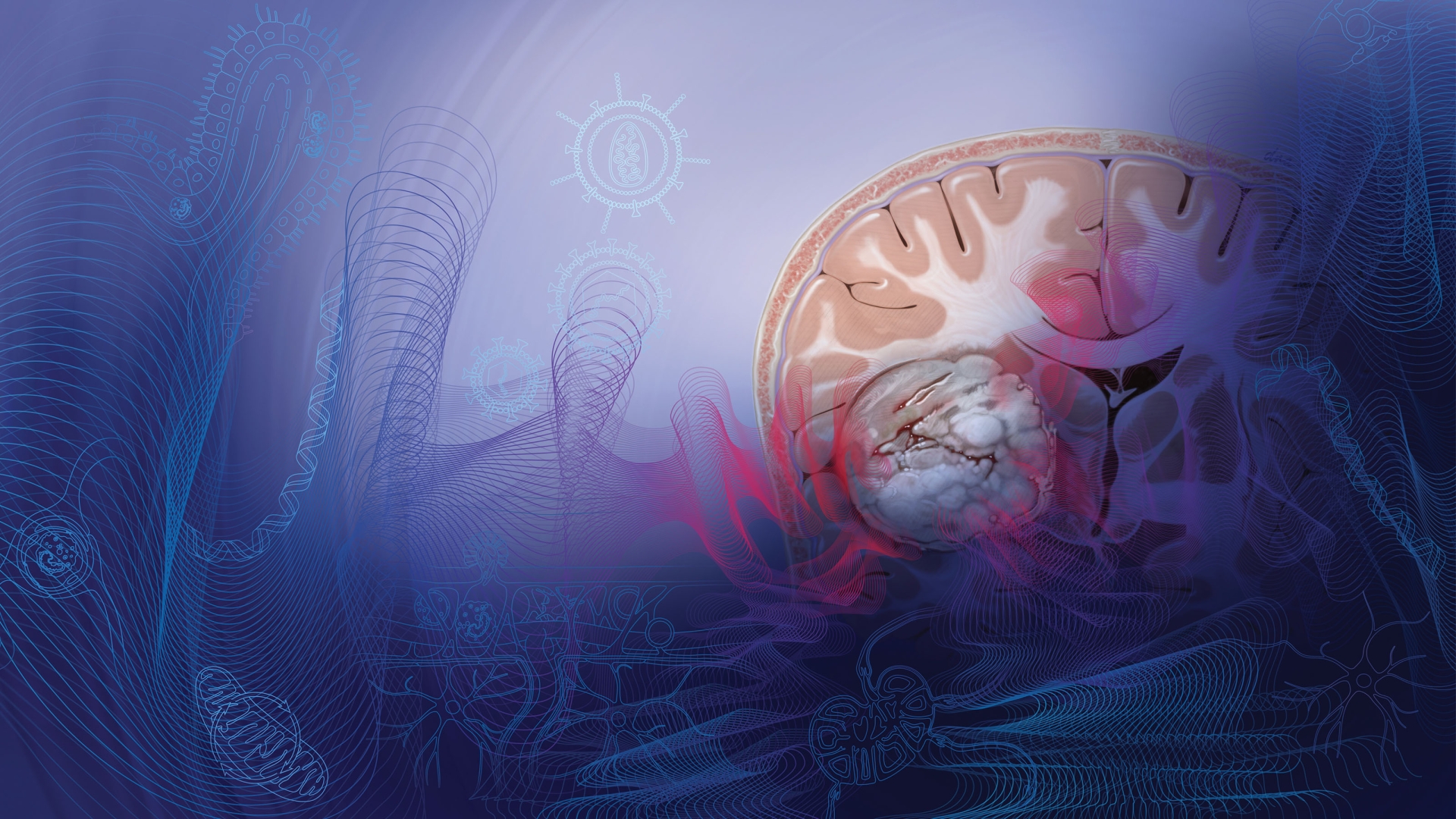
Watch your noggin: when cancer strikes the brain
“Watch your noggin!” I can remember as a child my mother saying this, usually after I had toppled off something that inflicted some bumps and bruises to my head. The brain inside is complex. Speaking, moving, feeling, balance, memory and emotions are just a few of the numerous tasks we automatically expect from this amazing organ. When cancer strikes the brain, it can be especially frightening and life-altering.
Brain tumors can be both benign (non-cancerous) and malignant (cancerous). A person’s risk of developing cancer of the brain is less than 1%. Brain tumors are slightly more common in males than females and the second most common cancer in children. They can occur at any age, but occur more frequently in children and older adults.
Other than previous radiation exposure, there is no lifestyle or environmental cause for brain tumors. Factors that have been investigated, but NOT proven are:
- Cell phone use
- Aspartame (sugar substitute)
- Electromagnetic fields from power lines Continue reading
Stem cell research and treatment for cancer
May National Cancer Research Month
As a Cancer AnswerLine nurse, I’m often asked by a caller, “Can I have treatment for my cancer with stem cells? I have read that U-M is involved with stem cell research.” This simple question has a very complex answer.
All of the blood cells in your body start out as young (immature) cells called hematopoietic, (or blood-forming), stem cells.
Stem cells mostly live in the bone marrow (the spongy center of certain bones), where they divide to make new blood cells. Once blood cells are mature they leave the bone marrow and enter the bloodstream. A small number of stem cells also get into the bloodstream. These are called peripheral blood stem cells. Continue reading
Veiled nutrition: Skin cancer precautions can result in vitamin D deficiency
Spring is here and so is the sun, which is great for our spirits after a long, dreary winter, but not for our skin. Up to 90% of non-melanoma skin cancers and 65% of melanomas are associated with exposure to UV radiation from the sun. May 1st marks the start of Skin Cancer Awareness month so while you’re enjoying the outdoors, protect yourself from skin cancer by seeking shade during midday hours (10 am-4pm), wearing protective clothing, hats and sunglasses, and using sunscreen (SPF 15 or greater). But did you know these precautions can result in a vitamin D deficiency? Continue reading
Make rehabilitation a part of cancer care and survivorship
The U-M Comprehensive Cancer Center has spent nearly a decade developing programs and services to help patients with rehabilitation. We sat down with Patty Clark, M.S.N., R.N., director of the Cancer Center’s Adult Survivorship Program, to talk about the broad scope of rehabilitation and how it should be a routine part of your cancer care and survivorship.
Q: What do we mean by “rehabilitation?”
With rehabilitation, we try to help people with cancer function at their optimum levels in life based on any limits that may have resulted from their cancer diagnosis or treatment. Cancer rehabilitation addresses physical, social, emotional and work-related changes and helps each person set achievable goals to maximize his or her ability to carry on with life.
Q: Why has rehabilitation become a major issue in cancer care? Continue reading